History
Emblem
Emblem of Hong Gia Scool
Hong Gia History
History of Hong Gia school can be traced back to the legacy of Taoist Temple on on Luofu mounting in Guangdong Province, China.
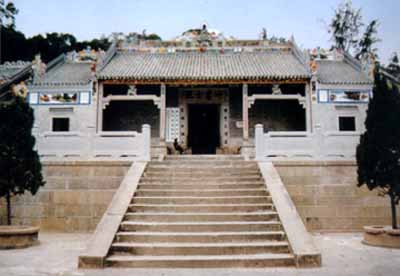
Ancient Chongxu Taoist Temple
Monastery was closed by Chinese government during Cultural revolution and all monks were asked to leave it. Territory of the Monastery was used as a military base until it was reopened in the late 90th on request of Hong Kong business. Luofu Taoist monastery was Taoist Holy Land in South China and the seventh place of importance in Taoism. Monastery was known for its medicine and cultivated Taoists physical practices. Except of Chongxu Temple there were two caves consisting of a number of chambers in which monks were doing there training. Now Monasery is opened for service and tourists , but the caves were closed in 2009 for general public.
Hong Gia History in Viet Nam
One of the monastery disciple - Nguen Manh Duc - was of Vietnamese origin. He was taken to the monastery as a yang kid by Ly Van Tan – Taoist Monk from Luofu. Nguen Manh Duc spend more than 20 years in the monastery before leaving the monastery and starting the live as an architect and engineer in Indochina. Later Nguen Manh Duc brought his son Nguen Minh Chan to the monastery where young Minh Chan spend few years before monastery was closed. After all the monks were ordered to leave the monastery , Nguen Manh Duc invited his old teacher Ly Van Tan to stay in his house and continue to teach his yang son.
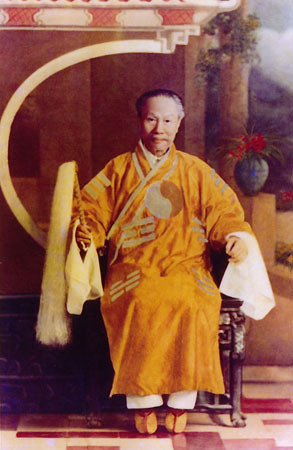
Nguen Manh Duc (Nam Hai Chan Nhan), 1st generation Hong Gia Grand Master outside China
Ly Van Tan died in exile in former Indochina and Hong Gia made the first step outside China.
Before Hong Gia was opened to the public, the following persons had practiced with Lý Hồng Thái or Nam Hai Chan Nhan in Saigon: Nghiêm An Thạch from Lam Sơn school, Trương Đạm Thủy, Nguyễn văn Bảng or Lộc from Taekwondo and Đường Lang (Mentis style), Phước Bùi, Trần Quốc Định, Hoàng văn Thọ, brother Nhân, sister Lan Âu, brother Ngọc Âu. HG school was opened to the public on August 15, 1981 at the Câu Lạc Bộ thể dục thể thao (Sport and Physical Education club) Hồ Xuân Hương. Here are the list of the training staff from the first day of the opening of : Lý Hồng Thái, Phước Bùi, Nguyễn văn Bảng or Lộc, sister Lan Âu, brother Ngọc Âu, Trần Quốc Định, Trần Như Đẩu and Lâm Thành Khanh joined the training staff a few months later. Phước Bùi dropped, Lan Âu and Ngọc Âu also dropped. Brother Nhân joined the staff but not regularly. The permanent Hong Gia training staff reduced to Lý Hồng Thái, Trần Quốc Định, Trần Như Đẩu, brother Nhân, Lâm Thành Khanh. Định was the only person who was assigned to train the Nga Mi private group of 6 or 7 young ladies.
Some of the Hong Gia training stuff had extensive experiences in other martial arts style before they came to Hong Gia: Lâm Thành Khanh had a 2nd dan black belt of karate before he practiced Hong Gia with Lý Hồng Thái. Trần Như Đâu had a 3rd dan black belt of taekwondo before he started practicing Hong Gia, Nguyễn Văn Bảng had a 3rd dan black belt of Taekwondo and an extensive training in Đường Lang
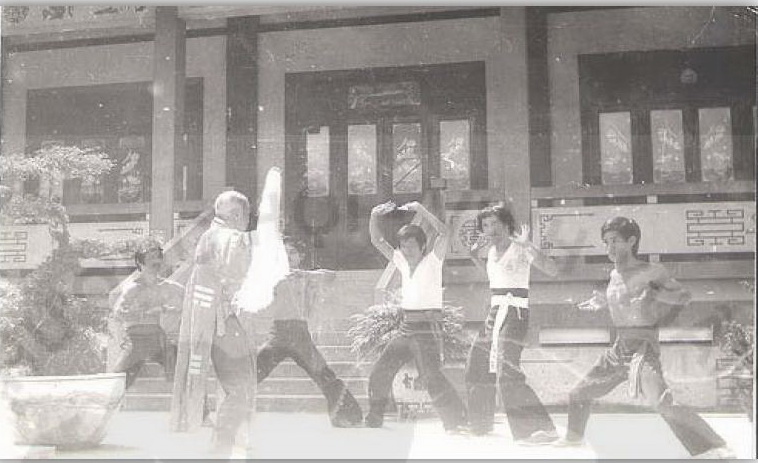
Saigon Hong Gia training staff. From Left to right: Brother Xuân, Lâm Thành Khanh, Trần Như Đẩu, Lý Hồng Thái, Trần Quốc Định
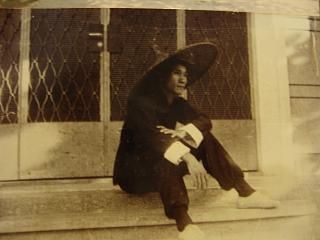
Lý Hồng Thái in Saigon, late 70th XX century
Hong Gia in the World
Lý Hồng Thái was teaching Hong Gia in Viet Nam until 1982. Hi has left Viet Nam around the end of 1982, before the New Year, Nguen Manh Duc left Viet Nam a few weeks before Christmas of 1983 Nguen Manh Duc left Viet Nam for Cambodia, and then with his eldest daughter for France where he settled in 1986 and lived up to his death in 1990 at the age of 87.
In late 80th of XX century Lâm Thành Khanh was invited to Belarus to teach martial art and that helped to spread Hong Gia over the world. Hong Gia groups were opened in Belarus, Russia and Ukraine. Later Hong Gia instructors from these countries moved to Poland, Hungary and Ireland. Now there is a dozen of Hong Gia groups around the world with the Head Dojo in California.
Connection with Luofu Monastery
In 2009 Lý Hồng Thái with the group of students returned to Luofy monastery in a memorial trip after the monastery was reopened for general admissions as tourist cite. Unfortunately there is no more trace of the ancient style in the monastery. Time is like a shadow, what is not preserved will quickly fade away and be lost.
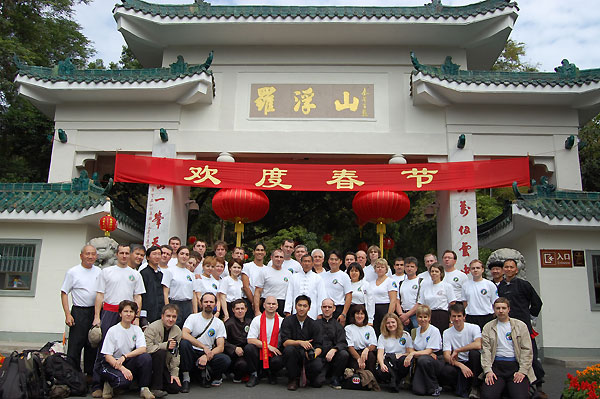
First visit to Luofu Monastery in 2009. At the background you can see the gates with the historical stone. Later the main entrance was moved to a newly built gates.
In 2013 Lý Hồng Thái returned to Luofu monastery again to conduct a major ritual that is taking place every 40 years to introduce new generation of Hong Gia students to the Luofu Ancestors and Taoist Saints
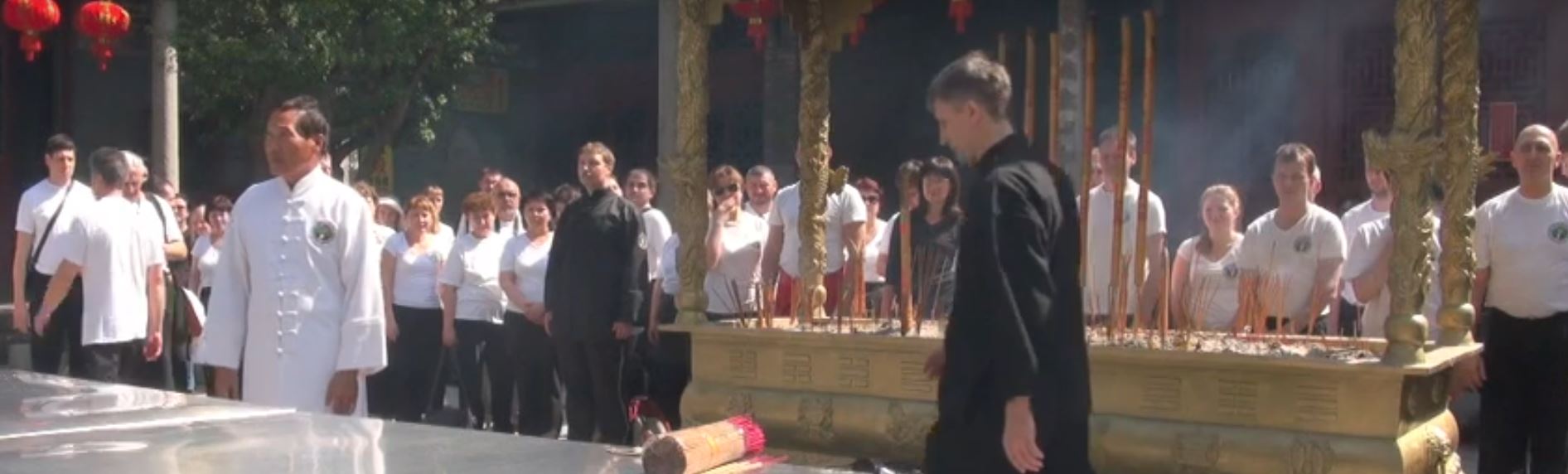
In the Luofu Monastery, 2013